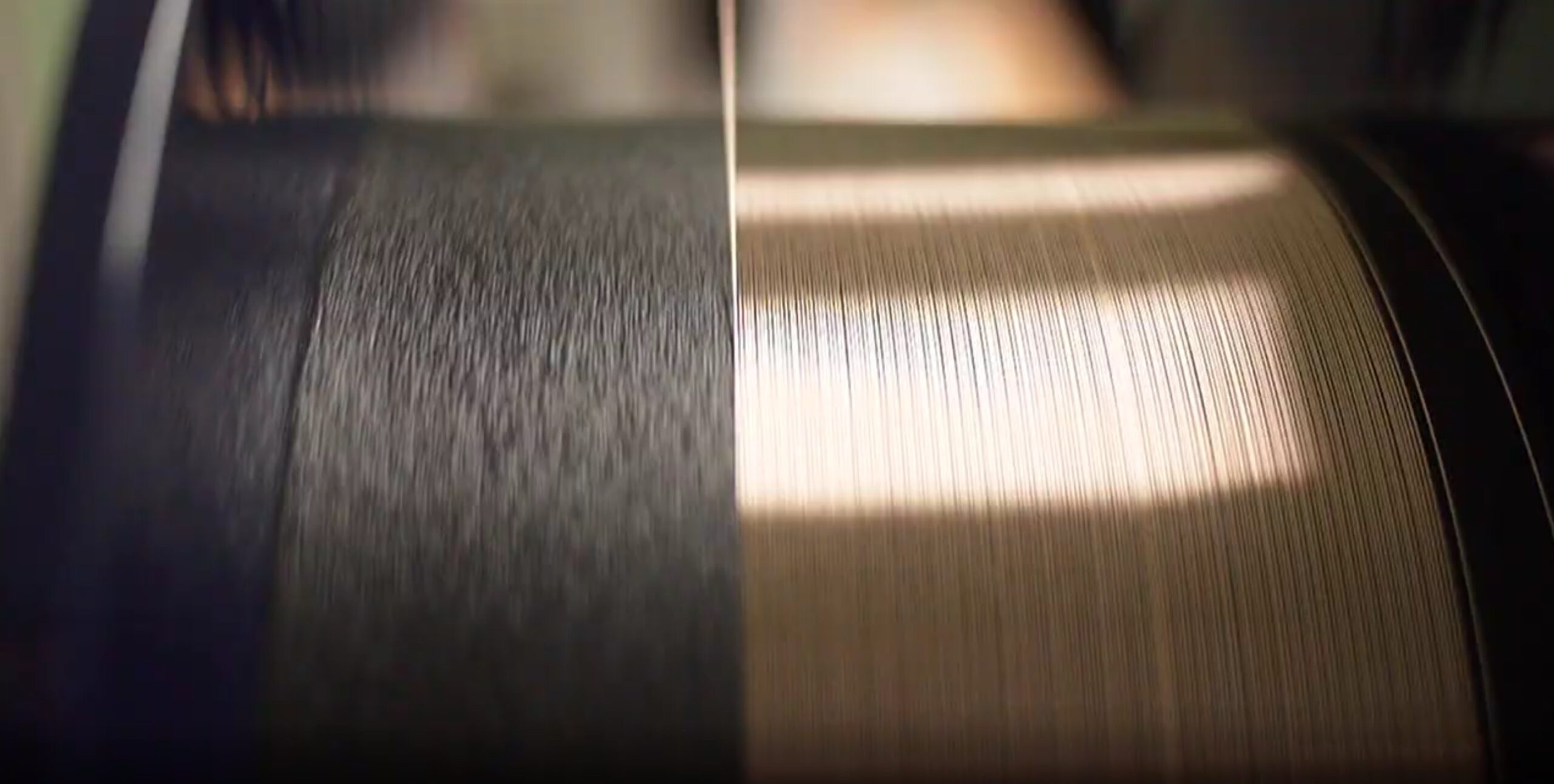
The manufacturing world is at a turning point. Companies like Tesla and Boeing are exploring new limits with custom fiber production. This method uses light to cut materials without touching them. It makes clean cuts that need little finishing.
Manufacturing has moved from simple tools to smart systems. IPG Photonics and Coherent are leading this change with their fiber laser platforms. These systems offer precise control and automated processes, making parts faster. They also reduce waste and energy use.
New production methods are key to advanced system development. Now, manufacturers can make complex designs that were unthinkable five years ago. Custom fiber production allows for quick prototype testing and scaling up. This speed gives companies a competitive edge.
This change affects more than just factories. Whole supply chains benefit from these smart platforms. Product quality goes up, and costs come down. Teams can quickly adapt to market changes and meet customer needs exactly.
Key Takeaways
- Custom fiber production uses light energy to cut materials without physical contact or stress
- Leading companies like IPG Photonics drive manufacturing innovation with smart laser systems
- Advanced system development speeds up with rapid prototyping and testing capabilities
- Energy consumption and material waste drop significantly with fiber laser technology
- Complex designs become practical and affordable for mass production
- Supply chains gain flexibility and respond faster to market demands
What is Custom Fiber Production?
Custom fiber manufacturing is a new way to make materials. It uses light to cut, engrave, and shape things with great precision. This method melts or vaporizes metals and other materials quickly.
At the core of this method is CNC automation. It turns digital designs into real products. Engineers use CAD software to make detailed plans. Then, the CNC system makes the laser move exactly as planned.
The laser cuts with accuracy down to thousandths of an inch. This ensures every cut is perfect, just like the original design.
| Component | Function | Key Benefit |
|---|---|---|
| Fiber Laser Source | Generates concentrated light beam | Cuts metals up to 1 inch thick |
| CNC Controller | Directs laser movement | Achieves 0.001-inch precision |
| CAD Software | Creates digital designs | Enables rapid prototyping |
| Cooling System | Maintains optimal temperature | Extends equipment lifespan |
Custom fiber manufacturing is very versatile. Small shops can make special parts for big companies like Boeing. Large factories use it for making lots of parts at once.
This method is perfect for making one item or thousands. It’s fast and accurate, reducing errors. Every piece is made exactly as planned.
Benefits of Custom Fiber Production
Custom fiber production offers big advantages for today’s factories. It allows for micron-level tolerances, making parts fit perfectly without extra work. This high precision raises the bar for quality and consistency in products.
One key benefit is how it saves energy. Fiber laser systems use up to 70% less power than CO2 lasers. This means lower costs and a smaller environmental impact for factories.
Prototype fiber production also cuts down on waste. It makes narrower cuts, so more material is used. This is very helpful when working with pricey materials like titanium or special alloys.
| Traditional Methods | Custom Fiber Production |
|---|---|
| Power Usage: 4-6 kW | Power Usage: 1-2 kW |
| Material Waste: 15-20% | Material Waste: 3-5% |
| Maintenance: Weekly | Maintenance: Monthly |
| Operational Life: 10,000 hours | Operational Life: 100,000 hours |
Fiber lasers are a smart long-term choice. They last for years with little upkeep, cutting down on downtime. Their energy savings, waste reduction, and durability help factories grow sustainably.
Applications of Custom Fiber Production
Custom fiber production changes many areas in industry. It’s used in car making and in space tech. These fibers are made just right for each job, unlike regular materials.
In cars, Ford and General Motors use special fibers for parts. They make the car lighter but stronger. Tesla makes battery boxes with special fibers for better heat control. And, car exhausts use fibers that can handle very high heat.
For planes, Boeing and Lockheed Martin use special fibers too. Alumina fibers help in jet engine parts that get very hot. These fibers help planes be safer and lighter, saving up to 20% of weight.
In making electronics, like phones and chips, Samsung and Intel use tiny glass fibers. These fibers are so small, they’re almost invisible. They help make electronics work better and last longer.
Architects use decorative metal fibers in buildings. Places like the Guggenheim Museum show off these fibers. They also make bridges and supports last much longer with special fibers.
The Custom Fiber Production Process
The way we make custom fibers has changed a lot. Now, fiber laser cutting systems can cut through many materials at once. They can handle everything from stainless steel to plastics.
This means you don’t need different machines for each material. You can make more products without buying more equipment. These systems work fast, even with thick metals or detailed designs.
Setting up is quick because you don’t have to change tools. Just load a new design file. This makes switching between jobs fast, saving time and money.
The laser’s accuracy is top-notch, no matter the material or thickness. This makes it perfect for both small tests and big orders. You can try out new ideas fast and then make more when needed.
Challenges in Custom Fiber Production
Custom fiber production has many challenges that affect its efficiency and quality. Traditional cutting methods face issues like mechanical wear and vibrations. These problems slow down production and make results uneven.
Heat distortion during processing also adds to the quality control worries. This affects the final product’s specifications.
Modern prototype fiber production needs careful equipment selection to beat these challenges. Important things to look at include:
- Material thickness capabilities and processing range
- Laser power needs for different fibers
- Automation features for steady output
- Long-term scalability and growth
Supply chain optimization is key to solving production bottlenecks. The growing demand for custom fiber products pushes manufacturers to use smarter tech. Chennai’s industrial growth shows how strategic investments in infrastructure and workforce can lead to success.
| Challenge Type | Impact on Production | Solution Approach |
|---|---|---|
| Equipment Wear | 15-20% downtime increase | Predictive maintenance systems |
| Heat Distortion | 8-12% quality rejection rate | Advanced cooling technology |
| Speed Limitations | 30% reduced throughput | High-power laser systems |
| Material Waste | 10-15% excess scrap | Precision cutting controls |
Working with experienced solution providers helps businesses tackle these challenges. The right tech investments boost productivity and reliability. They also support supply chain optimization goals.
Innovations in Custom Fiber Production
Custom fiber production has entered a new era with cutting-edge technologies. Smart factories now use AI integration to optimize every step of the production process. These advanced systems analyze vast amounts of data in real-time, making instant adjustments that improve quality and reduce waste.
The power of Industry 4.0 brings revolutionary changes to fiber manufacturing facilities. Key innovations include:
- Real-time performance monitoring systems that track production metrics
- Predictive maintenance powered by artificial intelligence
- Automated parameter optimization for different fiber types
- Seamless data exchange between machines and control systems
- Robotic integration for precise material handling
Modern laser cutting machines paired with AI integration create possibilities once thought impossible. Complex fiber geometries and patterns emerge with remarkable precision. These systems learn from each production run, continuously improving their performance without human intervention.
Industry 4.0 connectivity allows machines to communicate across the entire production ecosystem. When one system detects an issue, it instantly alerts other equipment to adjust their operations. This synchronized approach minimizes downtime and maximizes output quality.
Custom fiber production benefits from these technological advances in remarkable ways. Manufacturers can now create specialized fibers for aerospace, medical devices, and advanced textiles with unprecedented accuracy. The combination of smart sensors, machine learning algorithms, and automated control systems pushes the boundaries of what modern fiber production can achieve.
Case Studies in Custom Fiber Production
Real-world examples show how custom fiber manufacturing changes industries. Companies all over the world see big wins by investing in special fiber production. This leads to great success in their industries.
Chennai is a key example of how manufacturing changes. It has become a big hub for car makers, engineering firms, and tech companies. Local businesses use advanced laser cutting with fiber systems.
This mix boosts productivity by up to 40% and cuts down on waste. The car industry benefits a lot, making lighter but stronger parts for electric cars.
In Europe, Vulcan Shield Global is setting up a big project in Hungary. They’re spending $150 million on a facility for alumina fiber. It will start making fiber textiles in 2026.
By 2027, they aim to make 500 tons of fiber a year. This will create 120 jobs in the area.
| Location | Investment | Production Start | Annual Capacity | Jobs Created |
|---|---|---|---|---|
| Békéscsaba, Hungary | $150 million | 2026 | 500 tons | 120 positions |
| Chennai, India | $85 million | 2024 | 300 tons | 95 positions |
These examples show what works: teaming up with universities, training workers, and focusing on quality. The top companies spend 15% of their budget on research and development.
Future Trends in Custom Fiber Production

The world of making custom fibers is changing fast. More companies are using laser cutting systems because they’re good for the planet. These systems use less energy and make less waste than old methods.
New technologies in making fibers aim to be kinder to the environment. They use lasers instead of harmful chemicals. This change helps companies follow green rules and save money.
Companies that start using these new tools now will have an edge later. They’ll be ready for the future.
| Technology Trend | Environmental Benefit | Business Impact |
|---|---|---|
| Laser Cutting Systems | 70% less energy consumption | Lower operating costs |
| AI-Powered Production | Reduced material waste by 45% | Improved profit margins |
| Automated Quality Control | Zero chemical emissions | Enhanced product consistency |
Companies around the world are working to make their production greener. They’re using artificial intelligence to make their fiber production better. These smart systems watch how much energy they use and change things to save more.
Investing in new tech gives companies a big advantage. They can grow in a way that’s good for the planet. Using clean energy in factories is the next big step in making things better.
Getting Started with Custom Fiber Production
Starting your journey in custom fiber production requires a good plan. Today’s laser cutting systems from Trumpf and IPG Photonics make it easier. These machines have safe areas and auto safety features to protect workers.
Smart sensors and systems watch the cutting process closely. Your team can quickly learn the software. This means you can add this tech to your work without big problems.
Custom fiber production makes your project planning more flexible. You can change designs quickly with digital files. This fast prototyping is possible at places like Coherent and nLIGHT.
You can make small batches or handle many products in one place. The cutting tool doesn’t touch the materials, so your equipment lasts longer.
Setting up your plan means less upkeep than old ways of making things. Modern fiber lasers need just basic care like optics cleaning. Companies like Amada and Bystronic make machines with fewer parts, leading to fewer breakdowns.
This easy maintenance keeps your work running well and saves money. As you plan your projects, these benefits make the investment in custom fiber production worth it.
FAQ
What exactly is custom fiber manufacturing and how does it differ from standard production?
Custom fiber manufacturing creates special materials for specific needs using advanced tech. It’s different from standard production because it offers unique materials and precise sizes. This method also allows for making small batches or prototypes efficiently.
It uses focused laser beams to process materials like metals and ceramics. This helps make special parts for aerospace, cars, and high-temperature uses.
How does prototype fiber production benefit research and development teams?
Prototype fiber production speeds up innovation by letting teams test new designs quickly. They can make small amounts for testing and change designs easily. This way, they can check how things work before making a lot.
This method cuts down development time and waste. It also lets engineers try out complex designs and materials that traditional methods can’t handle.
What materials can be processed in modern fiber production systems?
Modern systems can work with many materials, like metals, plastics, and ceramics. They can even handle special materials like alumina fiber for high-temperature uses. This makes it easy to make different products without needing many cutting systems.
How does the integration of AI and Industry 4.0 improve fiber production efficiency?
AI helps set the best cutting settings in real-time and predicts when maintenance is needed. It also keeps improving how things work based on data. Industry 4.0 makes it possible to watch how things are doing in real-time and control quality automatically.
These smart systems cut down on downtime and waste. They also make sure quality stays high, even when making custom fibers.
What role does Vulcan Shield Global’s new facility play in advancing fiber technology?
Vulcan Shield Global is building a top-notch facility in Hungary for making alumina fiber. It will start making textiles and yarn in 2026. This will help meet Europe’s need for advanced materials for aerospace and high-temperature uses.
The plant will also create jobs and work with local schools and research centers. This will help improve production and fiber technology.
How do laser cutting systems support environmental sustainability goals?
Laser cutting systems use less power and make less waste than old methods. They don’t need harmful chemicals. This makes them better for the environment.
They also cut down on scrap and use energy efficiently. This helps companies meet green goals and save money at the same time.
What safety features are built into modern fiber production equipment?
New laser cutting machines have safe environments and automatic safety checks. They also have sensors and monitoring systems for safety. The software is easy to use, making it safe for operators.
Laser cutting is safe because it doesn’t touch the material. This reduces risks from traditional cutting tools. Automated systems also mean less risk for people.
How quickly can manufacturers switch between different production runs?
Changing between jobs is fast because laser systems don’t need tool changes. New designs can be loaded quickly through digital files. This means manufacturers can switch jobs in minutes, not hours.
This is great for making many different products quickly. It helps with both making prototypes and custom products, keeping production going without pause.
What thickness capabilities do modern fiber laser systems offer?
Modern systems can work with very thin sheets or thick plates. Some can even cut steel over 30mm thick with great precision. They can melt or burn through materials accurately, leaving smooth edges.
This makes them good for making everything from tiny electronics parts to big engineering parts.
How is Chennai’s manufacturing sector benefiting from laser cutting technology adoption?
Chennai is becoming a key place for making things in India, thanks to laser cutting. Big companies in cars and engineering are using it. The city’s strong setup and skilled workers have made it work well.
Companies there say they’re making more, wasting less, and doing better in the global market. This is thanks to the advanced fiber production they can do.
Explore
IVG fiber technologies