When your industrial facility faces temperatures reaching 1,400°C or your acoustic panels need to survive brutal weather conditions, choosing between spun fiber and standard fiber becomes critical. Companies like Unifrax and Morgan Thermal Ceramics have engineered fiber sheets that push the boundaries of what materials can withstand in extreme conditions.
The battle between spun fiber and standard fiber isn’t just about raw temperature resistance. Each fiber type brings unique advantages to harsh environments where failure isn’t an option. From offshore oil platforms to aerospace manufacturing facilities, fiber performance determines safety, efficiency, and long-term costs.
Modern fiber sheets combine densely packed materials like ceramic, basalt, and silica to create protective barriers against heat, sound, and fire. Johns Manville and Paroc have developed products that operate reliably when standard fiber might fail. These engineered solutions range from $2 to $30 per square foot, reflecting vast differences in capabilities and certifications.
Key Takeaways
- Spun fiber offers superior mechanical strength compared to standard fiber in extreme temperatures up to 1,400°C
- Standard fiber provides cost-effective solutions for applications below 800°C with thermal conductivity between 0.035-0.18 W/mK
- Material selection impacts both initial investment and replacement frequency in harsh environments
- Ceramic and silica fibers excel in extreme conditions while glass and mineral wool suit moderate applications
- Leading manufacturers like Unifrax and Morgan Thermal Ceramics offer specialized solutions for different industrial needs
- Fiber performance directly affects safety compliance and operational efficiency in critical applications
Understanding Spun Fiber
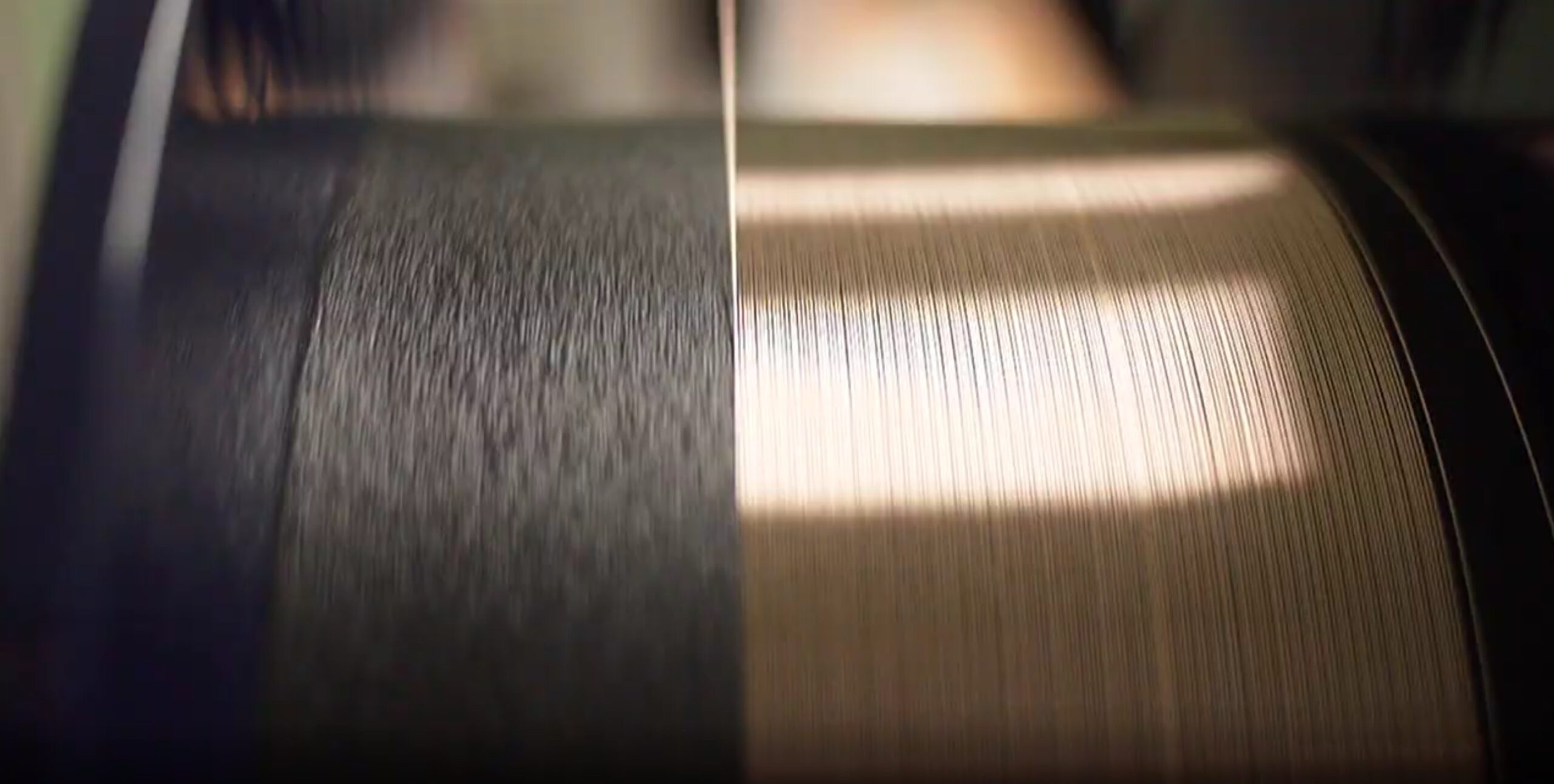
Spun fiber is a big step forward in material science. It changes how we use specialty sensing fibers. These fibers are made by electrospinning, creating very thin nanofibers. They are just a few nanometers to several micrometers thick.
The making of spun fibers involves using high voltage on a polymer solution. This creates curly fibers with amazing properties. These fibers are super elastic, perfect for tough industrial uses where regular fibers can’t handle it.
Spun fibers are special because they can do many things well. For example, polyimide nanofibrous aerogels block electromagnetic interference and can sense motion. Carbon nanofiber aerogels can control temperature through strain engineering, which is great for temperature systems.
| Property | Spun Fiber Performance | Temperature Range |
|---|---|---|
| Thermal Insulation | Ultra-high retention | Up to 2,300°F |
| EMI Shielding | Superior absorption | -40°F to 392°F |
| Acoustic Sensing | High sensitivity | 32°F to 176°F |
| Motion Detection | Piezoelectric response | 14°F to 212°F |
These fibers are used in many ways, like keeping things warm and sensing sound and motion. They can handle extreme temperatures up to 1,260°C. This makes them key for aerospace, cars, and energy fields where they must be reliable under stress.
The Science Behind Standard Fiber
Standard fiber types are key in modern materials. They include E-glass, C-glass, and fibers made from volcanic rock or slag. Each is made to fit different needs.
The making of fibers starts with heating raw materials to very high temperatures. Then, the hot material goes through tiny holes called spinnerets. This creates thin strands that cool quickly and become strong and flexible.
Glass fiber is loved for its ability to keep electricity in and its resistance to chemicals. E-glass is the most used, but C-glass is better at handling chemicals. Both can handle temperatures up to 540°C, making them useful in many industries.
| Fiber Type | Max Temperature | Key Properties |
|---|---|---|
| E-Glass | 540°C | Electrical insulation, moderate strength |
| Ceramic Fiber | 1,400°C | Heat resistance, low thermal conductivity |
| Mineral Wool | 750°C | Sound absorption, non-combustible |
| Basalt Fiber | 650°C | UV resistance, acid/alkali resistance |
Ceramic fiber is great for very hot places. It’s made from alumina and silica and can handle up to 1,400°C. Its ability to keep heat in is top-notch. Basalt fibers are good for outside use because they resist chemicals and UV rays.
Comparing Durability: Spun vs Standard Fiber
When materials face harsh conditions, fiber durability is key. Spun fiber technology beats standard fibers in many durability tests. This is important for industrial uses.
Standard glass fibers start to break down at 540°C. But spun ceramic aerogels stay strong up to 1,400°C. This big difference makes spun fibers vital for aerospace and cars, where heat resistance is critical.
Compression tests show the biggest difference. Spun fiber aerogels can bounce back from 80% strain easily. Standard fibers, on the other hand, get damaged permanently. This makes spun fibers great for vibration resistant fiber needs in tough spots.
| Performance Metric | Spun Fiber | Standard Fiber |
|---|---|---|
| Maximum Temperature | 1,400°C | 540°C |
| Strain Recovery | 80% compression | Permanent deformation |
| Flexibility Cycles | 10,000+ bends | 100-500 bends |
Standard ceramic fiber sheets get brittle with bending. They crack in high-vibration areas like jet engines. Spun polyimide fibers, though, stay strong through thousands of bends.
MXene and carbon aerogels take durability even further. They offer ultra-stable performance for decades of use.
Performance Characteristics of Spun Fiber
Spun fibers offer unique benefits for tough tasks. They stand out where regular fibers can’t. This is because they are both strong and flexible.
The elastic recovery of modern spun fibers is amazing. Graphene-based fibers bounce back to 95% of their original shape after being compressed. This makes them great for places where materials get stressed a lot.
Polyimide spun fibers go even further. They are super flexible and keep warm, fitting complex shapes while staying insulating.
Water protection is a big plus. Advanced spun fibers stay dry thanks to special treatments. These treatments make water run off easily, keeping the fibers working well in wet places. Fluorinated types stay effective in humid areas, perfect for outdoor use.
The flexible insulation of spun fibers is impressive in extreme temperatures. Some types are almost 100% air, blocking heat well. They are very light but keep things warm or cool. Versions with multiple scales also block electromagnetic waves, useful for electronics.
These features work together well. Spun fibers’ ability to bounce back, resist moisture, and insulate makes them reliable in tough spots. Regular fibers can’t handle these challenges.
Environmental Resistance of Standard Fiber
Standard fibers face tough challenges in harsh environments. Yet, many types show surprising strength. Basalt fibers are a top choice for outdoor use because they stay strong even after 1,000 hours of sunlight.
Glass fibers, on the other hand, lose strength quickly when exposed to UV rays. Companies like Owens Corning and Johns Manville use special treatments. These treatments help glass fibers last longer outdoors.
- Ceramic fibers can handle heat up to 1,260°C (2,300°F) continuously.
- Silica fibers do well in acidic environments but need protection from bases.
- Mineral wool has good thermal properties but struggles in alkaline conditions.
Choosing the right fiber is key for industrial applications. Refractories International suggests testing fibers against specific chemicals before use. Safety experts add 100°C to temperature ratings to ensure fibers can handle extreme conditions.
“The right fiber choice can mean the difference between yearly replacements and decades of reliable service in corrosive environments.”
Each standard fiber type has its own benefits. Silica-based fibers are great for chemical plants because they resist acids well. Basalt fibers, on the other hand, naturally resist UV damage and mild chemicals, making them versatile for many projects.
The Cost Factor: Is Spun Fiber Worth It?
At first glance, spun fiber aerogels seem pricey, costing $15 to $30 per square foot. In contrast, glass wool and mineral wool are much cheaper, at $2 to $8 per square foot. But, there’s more to the story than just the initial cost.
Looking at the ROI over time, spun fibers show their true value. They last three to five times longer than standard materials in tough conditions. This means less need for replacements and fewer stops in production.
| Cost Factor | Spun Fiber | Standard Fiber |
|---|---|---|
| Initial Cost (per sq ft) | $15-30 | $2-8 |
| Replacement Frequency | Every 10-15 years | Every 3-5 years |
| Energy Savings | 15-30% | 5-10% |
| Bulk Purchase Discount | 15-30% | 15-30% |
In high-performance applications, spun fibers shine. They save 15 to 30 percent on energy costs. Plus, they need less maintenance because they resist damage well.
The long-term value is clear in critical fields. Aerospace, petrochemical, and power generation often choose spun fibers. They value proven performance, long warranties, and meet strict standards like ASTM E84 Class A.
Real-World Applications of Spun Fiber
Spun fiber technology has changed many industries. It works well in places where regular fibers can’t. The vibration resistant fiber is very useful in many fields.
In space, spun polyimide aerogels keep spacecraft parts safe. They handle huge temperature changes. In cars, spun fiber exhaust wraps handle heat and stress for thousands of hours.
Industrial insulation shows how great spun fiber is. Unifrax FRM-X ceramic fiber sheets cut heat loss by 40% right away. In chemical plants, silica fiber aerogels work at 1,000°C. This extreme environment protection saves money and prevents damage.
| Industry | Application | Temperature Range | Key Benefit |
|---|---|---|---|
| Aerospace | Thermal Protection | -150°F to 600°F | Altitude performance |
| Automotive | Exhaust Wraps | Up to 1,200°F | Vibration resistance |
| Marine | Basalt Fibers | -40°F to 750°F | Corrosion resistance |
| Construction | Mineral Wool | Up to 2,000°F | Fire protection |
Outdoor performance fabrics use special fibers for sensors. These smart clothes check the weather and air quality. In the sea, basalt fibers last three times longer than usual materials.
Choosing the Right Fiber for Specific Needs
Choosing the right fiber means knowing your application requirements and finding the best match. Your fiber selection guide should look at several key factors. This ensures the fiber works well in your specific setting.
Temperature tolerance is a big deal. Always keep a 100°C buffer above your highest expected temperature. For temperatures over 700°C, pick materials rated for at least 800°C. Also, think about humidity, chemicals, vibrations, and UV light when making your choice.
| Application Type | Recommended Fiber | Key Benefits |
|---|---|---|
| High-temperature cycling (800°C+) | Spun Fiber | Superior thermal stability |
| Static insulation (below 500°C) | Standard Fiber | Cost-effective solution |
| Moisture-prone areas | Spun Fiber | Hydrophobic properties |
| Protected environments | Standard Fiber | Adequate with cladding |
Be careful when checking material specs. Good suppliers offer test reports, Safety Data Sheets, and batch numbers. If these are missing, it might mean quality problems. Make sure the materials meet standards like UL, ISO, and ASME for your field.
Future Trends in Fiber Technology
The fiber industry is on the brink of a big change. Scientists at places like MIT and Stanford are working on new fiber technology. This technology combines several functions into one material.
These next-generation insulation materials can handle heat, sound, and electromagnetic waves. New aerogel films made from carbon nanotubes and cellulose nanofibers are also being developed. They are flexible, lightweight, and can store a lot of energy.
Sustainable materials are changing how products are made. Companies like Owens Corning and Rockwool use up to 70% recycled content in their products. They make materials from agricultural waste that work as well as those made from petroleum.
These changes make high-performance fibers available without harming the environment. Eco-friendly production methods also reduce energy use and cut carbon emissions by half.
Machine learning and artificial intelligence are helping develop materials faster. Researchers use these tools to create new fibers for space. NASA and Boeing test these materials in extreme conditions.
The next decade will see fibers that can self-repair and adapt to temperature changes. They will also break down safely at the end of their life. This shift will make advanced fiber technology common in many fields.
FAQ
What are the main differences between spun fiber and standard fiber sheets?
Spun fibers are made through electrospinning, creating very fine fibers. They are flexible and can stretch back up to 80% of their original shape. Standard fibers, like E-glass and mineral wool, are made differently and don’t stretch back as well.
Spun fibers can handle high temperatures up to 1,400°C. Standard fibers are better for lower temperatures, below 500°C.
How do specialty sensing fibers compare to traditional monitoring systems?
Specialty sensing fibers, like fluorinated polyimide, can sense vibrations and temperature changes. They are great for tough environments. Unlike traditional sensors, they are part of the insulation material.
These fibers also help with EMI absorption and can track human activity. They are perfect for aerospace and automotive needs.
Which fiber type offers better vibration resistant properties for industrial applications?
Spun fibers, like polyimide, are very good at handling vibrations. They are strong and can handle constant stress. This makes them great for engine wraps.
Standard ceramic sheets aren’t as good with vibrations. They become brittle and break easily. Spun fibers are used in car exhausts because they can handle constant vibration.
What are the temperature limits for different fiber materials?
Different materials have different temperature limits. Ceramic sheets can handle up to 1,400°C. Silica and mineral wool can go up to 800°C.
Basalt and glass fibers can handle up to 700°C and 540°C respectively. Always choose a material that’s 100°C above your highest expected temperature.
Is the higher cost of spun fiber justified compared to standard options?
Spun fiber aerogels cost more, -30+ per square foot. But they last longer in high-stress areas, saving on replacement costs. They also improve energy efficiency, saving 15-30% on operational costs.
They are more durable and meet strict standards. This makes them worth the extra cost for critical applications.
Which manufacturers produce reliable fiber insulation products?
Unifrax, Morgan Thermal Ceramics, Johns Manville, and Paroc are top manufacturers. They offer high-quality products and follow strict standards. Make sure to check their certifications and documentation before buying.
How do spun fibers perform in moisture-prone environments?
Spun fibers work well in wet environments thanks to special treatments. They repel water and keep their sensing abilities. Standard mineral wool can absorb moisture, reducing its effectiveness.
Loofah-inspired aerogels are very porous, making them great for keeping things dry. They’re perfect for marine and outdoor use.
What are the latest innovations in fiber technology?
New developments include MXene/SWCNT/cellulose nanofiber films for supercapacitors. There are also all-ceramic aerogels for thermal insulation and hybrid nanofibers with new properties.
Sustainability is key, with bio-based precursors and recycled content in mineral wool. Machine learning helps design better moisture harvesting aerogels. Superelastic polyimide hybrid aerogels are made for extreme conditions.
Explore
IVG fiber technologies